
Peptide Blends
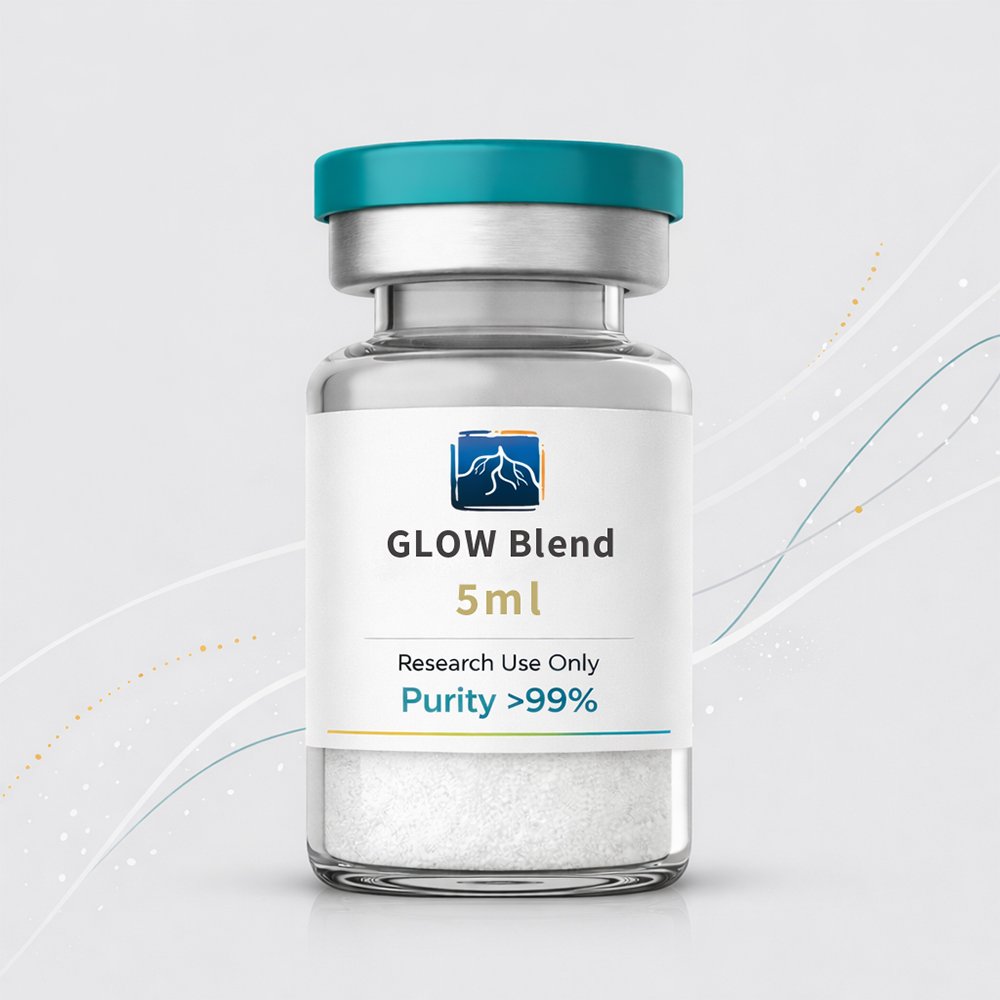
GLOW Blend (GHK-Cu + TB-500 + BPC-157)
The GLOW Blend (GHK-Cu 50mg + BPC-157 10mg + TB-500 10mg) is a sophisticated tissue regeneration formulation activating complementary molecular pathways. GHK-Cu modulates gene expression and collagen synthesis via TGF-β. BPC-157 drives angiogenesis through VEGFR2-Akt-eNOS signaling. TB-500 orchestrates cytoskeletal dynamics through actin sequestration. Together they coordinate collagen synthesis, angiogenesis, anti-inflammatory modulation, and ECM organization. Available as lyophilized powder.
Molecular Formula
Blend
Sequence/Composition
GHK-Cu + TB-500 + BPC-157
Form
Lyophilized powder
Purity
≥99% by HPLC
Available SKUs
| Model | Specification | MOQ |
|---|---|---|
| glow-5 | 5ml | 1 vial |
| glow-10 | 10ml | 1 vial |
| glow-20 | 20ml | 1 vial |
Ships within 3-5 business days
Certificate of Analysis included
Quality guaranteed
| Molecular Formula | Blend |
|---|---|
| Sequence/Composition | GHK-Cu + TB-500 + BPC-157 |
| Form | Lyophilized powder |
| Purity | ≥99% by HPLC |
| Storage | -20°C desiccated |
Related Products
Peptide Blends
BPC-157 + TB-500 Blend
The BPC-15…
View Details →
Peptide Blends
BPC + GHK-Cu + TB-500 Blend
A comprehe…
View Details →
Peptide Blends
KLOW Blend (GHK-Cu + TB-500 + BPC-157 + KPV)
The KLOW B…
View Details →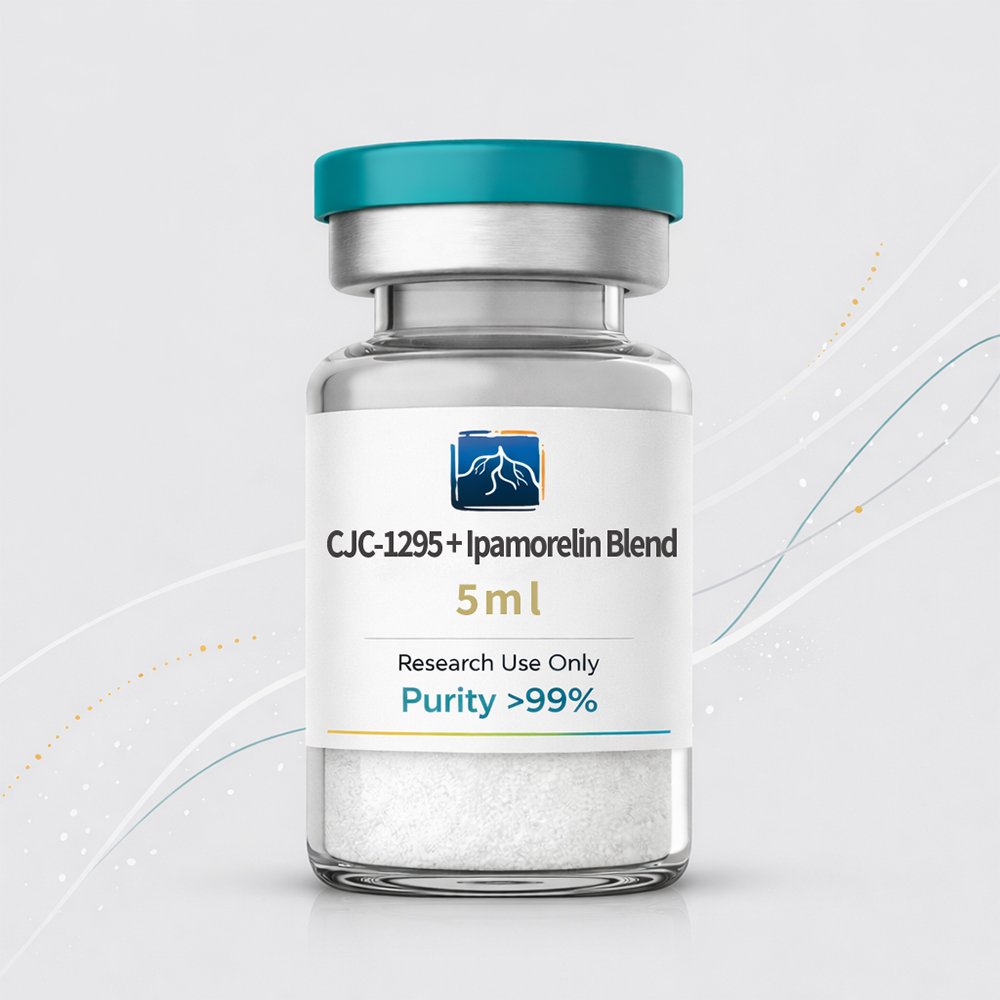
Peptide Blends
CJC-1295 + Ipamorelin Blend
The CJC-12…
View Details →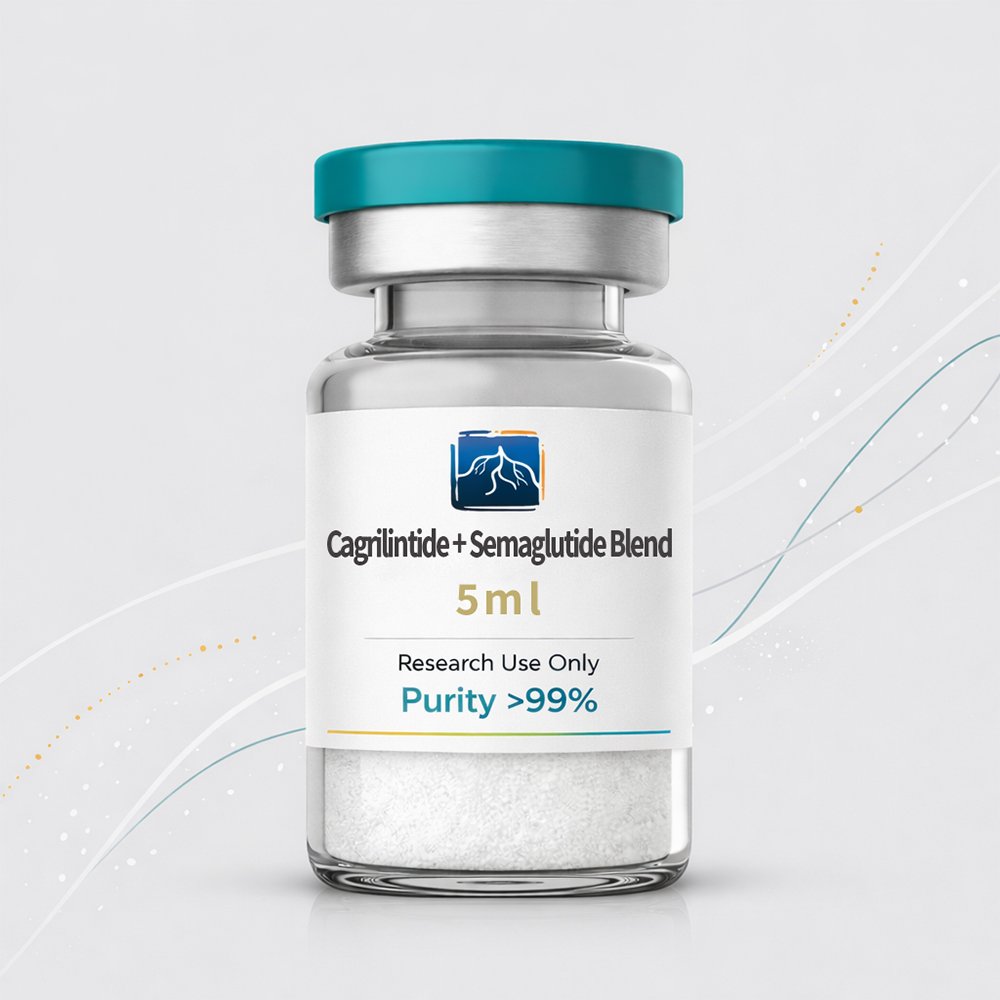
Peptide Blends
Cagrilintide + Semaglutide Blend (CagriSema)
CagriSema …
View Details →Need OEM or a Custom Configuration?
We offer custom synthesis, modifications, and OEM services. Share your requirements including sequence, purity, quantity, and any special needs—our team will provide a detailed quote.